
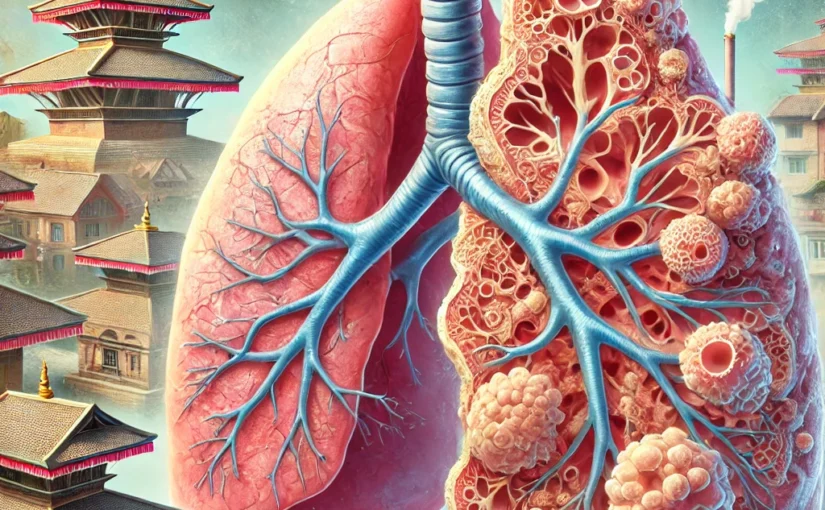
Chronic Obstructive Pulmonary Disease (COPD) in Nepal – A Leading Cause of Lung Dysfunction
Introduction
Chronic Obstructive Pulmonary Disease (COPD) is a progressive lung condition that makes breathing difficult. It is a major health concern in Nepal, primarily caused by smoking and prolonged exposure to indoor and outdoor air pollution. COPD is often underdiagnosed, leading to severe complications and reduced quality of life.
Causes and Risk Factors
The main cause of COPD in Nepal is smoking, which damages lung tissue over time. However, other significant risk factors include:
- Exposure to biomass fuel smoke from traditional cooking stoves
- Air pollution, especially in urban areas
- Occupational exposure to dust and chemicals
- Recurrent respiratory infections
- Genetic predisposition (though less common)
Symptoms of COPD
COPD symptoms usually develop gradually and worsen over time. Common symptoms include:
- Chronic cough with mucus production
- Shortness of breath, especially during physical activity
- Wheezing and chest tightness
- Frequent respiratory infections
- Fatigue due to decreased oxygen intake
Prevalence in Nepal
COPD is a significant public health issue in Nepal, affecting thousands of people, particularly in high-altitude regions where indoor pollution is prevalent. The increasing use of tobacco products and worsening air quality in cities contribute to the rising cases of COPD.
Complications
If left untreated, COPD can lead to severe complications such as:
- Respiratory failure
- Increased risk of lung infections like pneumonia
- Heart problems, including pulmonary hypertension
- Depression and reduced quality of life
Prevention and Risk Reduction
Preventing COPD involves reducing exposure to risk factors. Key preventive measures include:
- Quitting smoking and avoiding secondhand smoke
- Using clean cooking fuels and improving household ventilation
- Wearing protective gear in workplaces with dust or chemical exposure
- Regular health check-ups for early detection
Diagnosis and Treatment
Early diagnosis can help manage COPD effectively. Diagnostic methods include:
- Pulmonary function tests (spirometry)
- Chest X-rays or CT scans
- Blood tests to check oxygen levels
Treatment options focus on symptom management and improving lung function:
- Medications: Inhalers (bronchodilators, corticosteroids), antibiotics for infections
- Oxygen Therapy: For severe cases with low oxygen levels
- Pulmonary Rehabilitation: Exercise training and breathing techniques
- Lifestyle Changes: Quitting smoking, balanced diet, and regular exercise
Conclusion
COPD is a leading cause of chronic illness in Nepal, with smoking and pollution being the primary culprits. Raising awareness, promoting early diagnosis, and implementing preventive measures can significantly reduce its impact. If you experience persistent cough or breathing difficulties, consult a healthcare professional for evaluation and management.
For expert consultation and COPD management, visit our clinic today.
📞 01-4531078 or 01-4543386